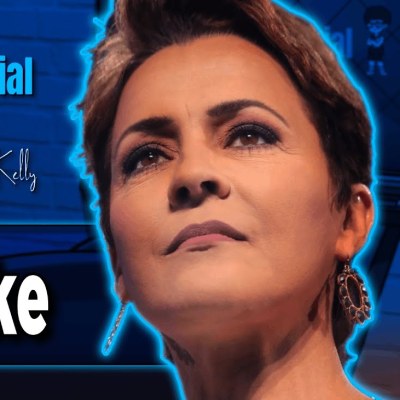
Flat Earth Dave
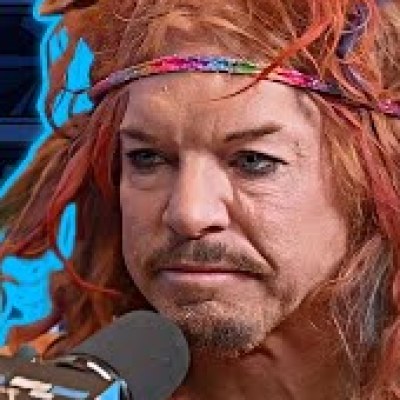
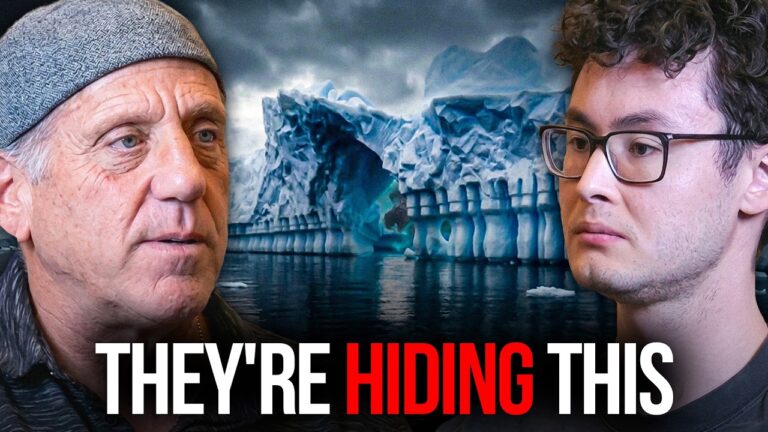
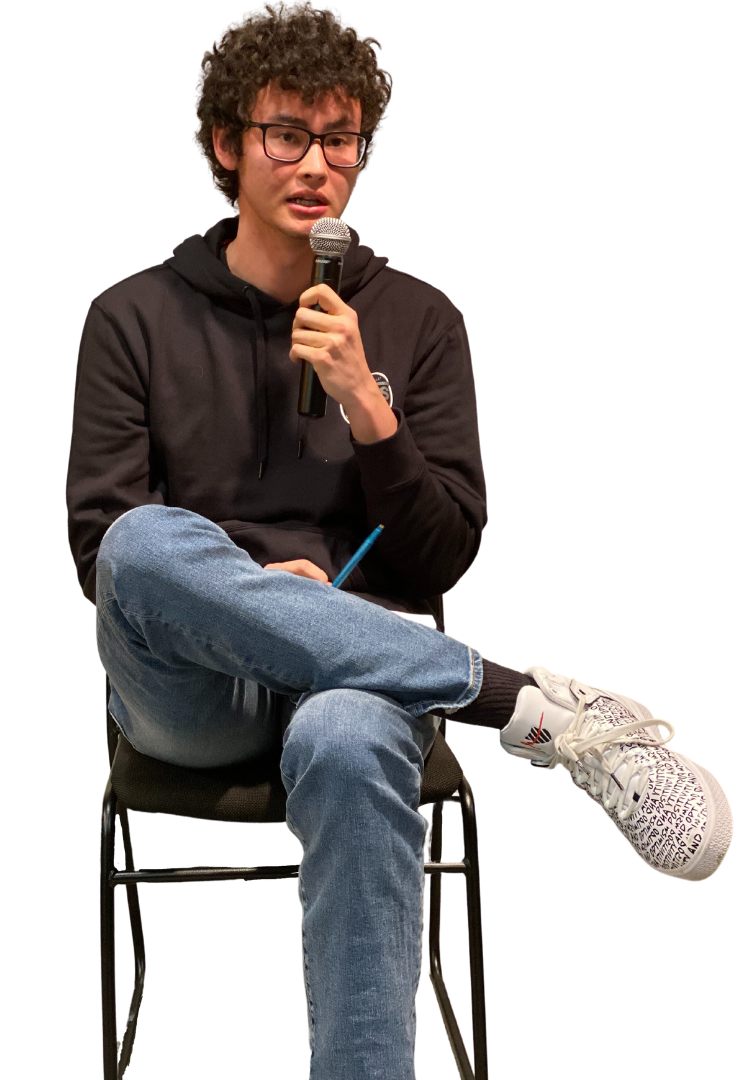
Flat Earth Dave joins Sean Kelly on the Digital Social Hour to discuss his views on NASA, Antarctica, education, belief, and curiosity.
The Unexplained
New episode every weekday
Weekday conversations with founders, athletes, investors and outliers. Long-form, direct, and built around what the guest actually knows.
Guests include
YouTube is a rounded public channel count checked September 4, 2026. Top 3 is a historical Apple Podcasts peak. Stored views are an August 25, 2026 first-party snapshot across 1,685 unique video records, not current channel-lifetime views. None of these figures guarantees reach or impressions.
The guest list
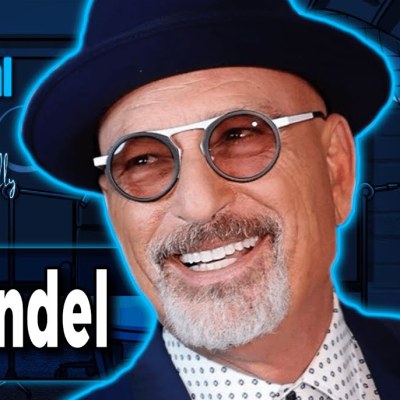
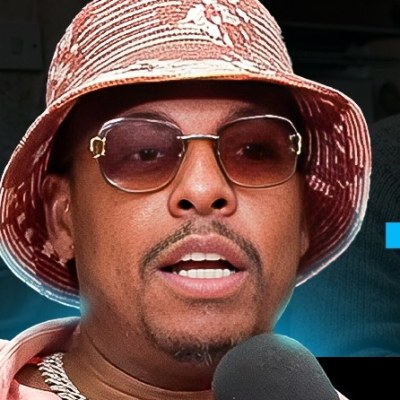
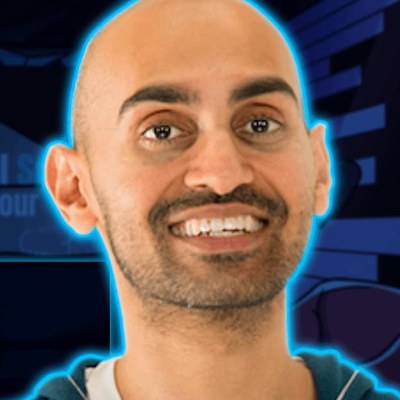
Billionaire founders, world champions, chart-topping artists and the investigative reporters they read. A partial list.
…and 1,597 more.
Fresh from the studio
Flat Earth Dave joins Sean Kelly on the Digital Social Hour to discuss his views on NASA, Antarctica, education, belief, and curiosity.
The Unexplained
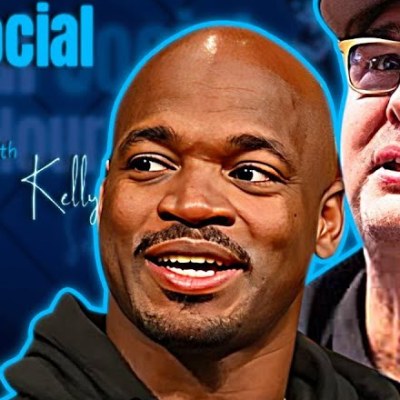
Adam Carolla joins Sean Kelly on the Digital Social Hour to discuss comedy, podcasting, media narratives, cars, and life in Las Vegas.
Entertainment
Dr. John Demartini joins Sean Kelly on the Digital Social Hour to discuss labels, values, learning, attention, and human potential.
Business & Founders
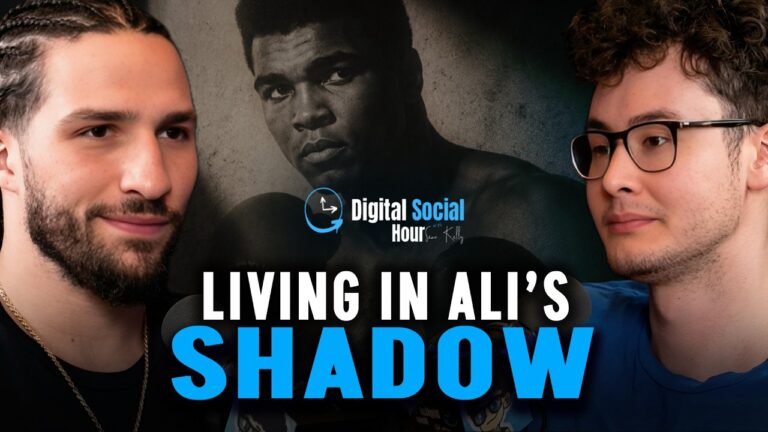
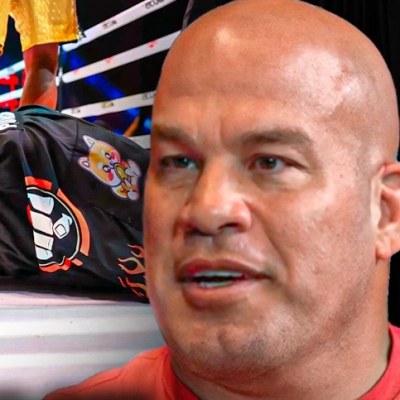
Nico Ali Walsh joins Sean Kelly on the Digital Social Hour to discuss boxing, mental toughness, and carrying the Ali name.
Combat Sports
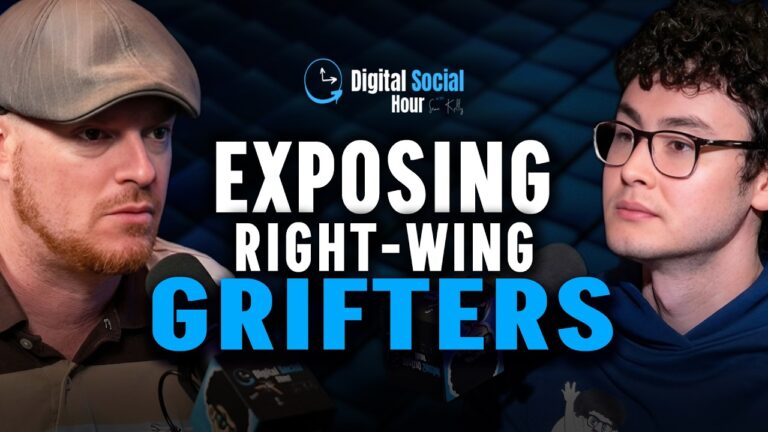
Brian Shapiro joins Sean Kelly on the Digital Social Hour to discuss political media, online outrage, and modern debate culture.
Politics & Culture
Joe Kent joins Sean Kelly on the Digital Social Hour to share his views on the Iran conflict, the U.S. dollar, and national security.
Sports & Athletes
Find your rabbit hole
Every conversation is filed by subject so you can start where you care most.
Proof, not promises
A dated 600-row matched sample found that public follower counts barely tracked stored episode views. The useful product is a strong conversation turned into connected, reusable assets, with business outcomes measured afterward.
Disclosure: Dennis Yu’s team worked on SeanKelly.io and Digital Social Hour’s web and measurement systems and sells a related personal-brand service. Public account totals are not unique reach, and no appearance guarantees views, rankings, citations, introductions, or deals.
Work with the show
For guests
A Las Vegas studio, a real conversation and a clip operation that turns the recording into reusable assets your team can distribute and measure. Founders, authors, athletes and operators with something genuinely worth saying.
For brands
Founder-led and entrepreneurship-focused. Host-read integrations, dedicated segments, and custom content are packaged with explicit deliverables and performance reporting.
The host
He built a million-dollar apparel business out of a Rutgers dorm room before he could legally rent a car. Then he started asking better questions.
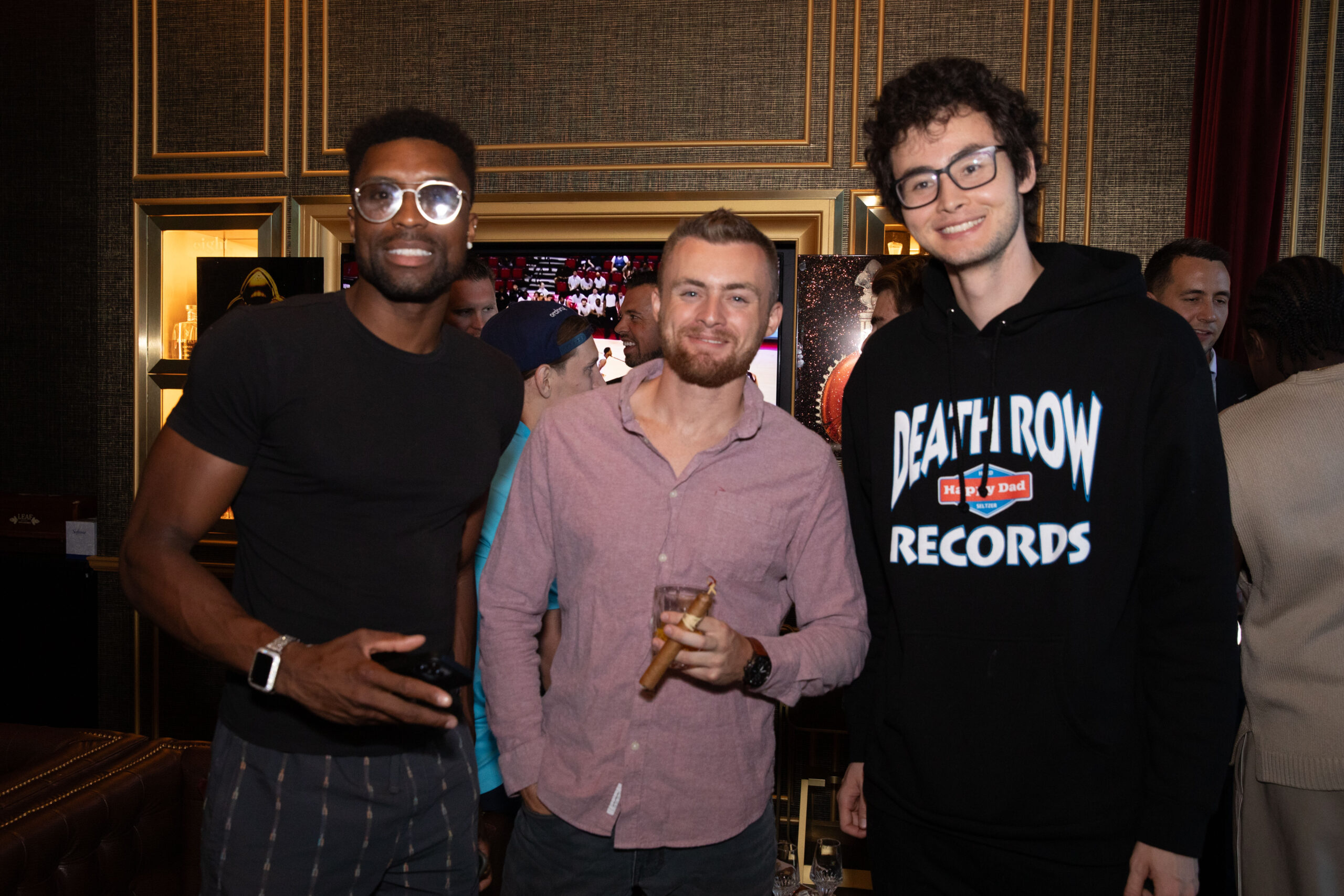
Sean Kelly is the founder and host of the Digital Social Hour, a weekday interview podcast featuring founders, investors, athletes, journalists, and cultural figures. He founded Jersey Champs as a student, scaled it into a seven-figure operation, and has since built and backed companies across apparel, PPE and Web3.
He records daily from Las Vegas. The show’s format is deliberately unpolished: long conversations, few notes, and a willingness to sit with people other hosts avoid — which is why guests tend to say things they had not planned to.
Word of mouth
Sean is one of the most driven people I have worked with in the industry. He’s built his brand from the ground up in months and is someone that is truly inspiring to be around. One of the best I’ve seen do it.
Sean truly personifies what it means to be an entrepreneur. Nothing has ever been handed to him and he’s turned a small thousand-dollar investment in himself into the Jersey Champs we see today.
Sean’s expertise helped and guided me into the right direction and gained thousands of impressions, clicks and views. His ability to get social media influencers to work with him was unlike any I’ve ever seen.
Never miss one